Sculptures and statues have mattered to human cultural society for thousands of years, and they still matter today.
In ancient times, they served as three-dimensional forms through which people expressed reverence for gods, emperors, heroes, and ancestors.
In the modern world, their role has not disappeared.
Instead, it has expanded.
Sculptures and statues continue to serve as a bridge between individuals and communities, between memory and identity, and, for many people, between everyday life and the spiritual dimension.
As a consultant with more than 40 years of experience in statues and sculptures, I have come to this understanding not only through study, but also through years of conversation with clients, artists, colleagues, and cultural observers.
Many of my clients have encouraged me to put these thoughts into writing.
This blog is a reflection on why sculptures and statues remain important in modern cultural society and why their meaning continues to grow rather than fade.
What Are Sculptures and Statues?
Before discussing their importance, it is helpful to clarify the difference between sculptures and statues.
A sculpture is a broad term for three-dimensional art. It can vary in size, form, material, and style. A sculpture may be abstract or figurative, monumental or small, permanent or temporary. It can be made from stone, bronze, wood, clay, steel, glass, resin, or many other materials.
A statue is a more specific kind of sculpture. It usually represents a human figure, deity, animal, or symbolic subject in a recognizable form. Statues are often associated with worship, commemoration, public memory, or honor.
In other words, all statues are sculptures, but not all sculptures are statues. What they share is something deeper: both are material expressions of human thought. They carry values, beliefs, emotions, and ideas, and they give visible form to the way people understand the world.
A Brief History of Sculptures and Statues
From the perspective of global art history, the development of sculpture can be broadly divided into five major periods: the Prehistoric Period, the Ancient Civilizations Period, the Medieval / Post-Classical Period, the Early Modern Period, and the Modern and Contemporary Periods. These stages did not begin at exactly the same time in every region, but they provide a useful framework for understanding how sculpture developed from ritual object to cultural symbol, and from sacred form to modern public art.
Prehistoric Period
Circa 40,000 BCE – 3,000 BCE
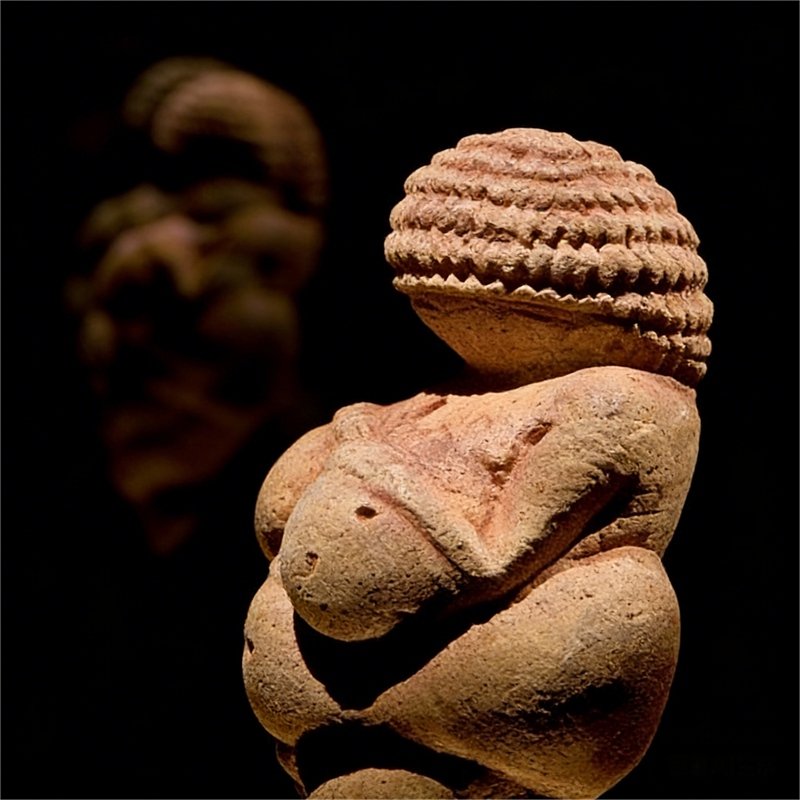
The earliest sculptures were often small objects made from stone, bone, ivory, or clay. They were usually symbolic rather than realistic, and they were closely connected to fertility, ritual, survival, and the forces of nature. Works such as the Venus of Willendorf show that even in prehistoric times, humans were already creating three-dimensional forms to express belief, value, and imagination. These early objects remind us that sculpture began not simply as decoration, but as a meaningful human response to life, mystery, and existence itself.
Ancient Civilizations Period
Circa 3,000 BCE – 500 CE
As civilizations emerged, sculpture became more monumental and more closely tied to religion, power, and social order. In ancient Egypt, Greece, Rome, China, and many other cultures, sculptures expressed divine authority, political hierarchy, and ritual meaning.
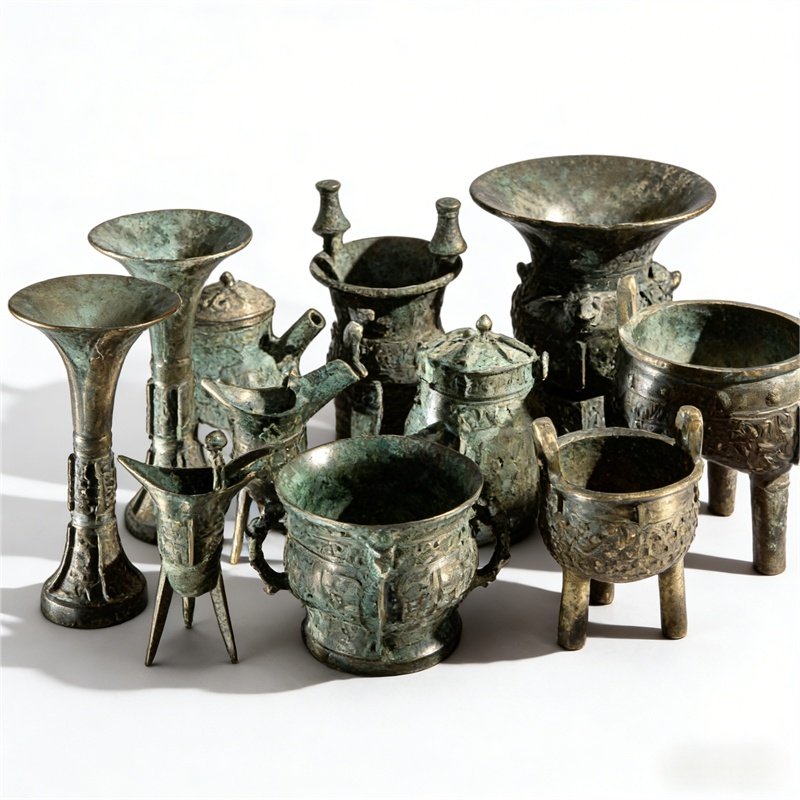
Among the most fascinating examples are the bronze ritual vessels of the Shang Dynasty in ancient China, including tripod cauldrons and ceremonial containers such as the ding, gui, jue, and gu. Decorated with mysterious motifs such as the taotie mask, dragon patterns, and bird designs, these objects were not merely functional. They were closely linked to ritual and spiritual communication. At the same time, the number and type of ritual bronzes one could possess reflected rank and status, making them symbols of both sacred belief and political order.
In other parts of the world, Egyptian statues embodied permanence and sacred kingship, Greek sculpture pursued idealized beauty, and Roman statues emphasized leadership, citizenship, and imperial power. Across cultures, sculpture had already become a language of civilization.
Medieval / Post-Classical Period
Circa 500 CE – 1400 CE
During this period, sculpture became even more deeply connected to religion and spiritual life. It appeared in churches, temples, grottoes, shrines, and tombs, where it served both devotional and educational functions. Rather than focusing mainly on anatomical realism, many works aimed to express divinity, solemnity, salvation, and sacred presence.
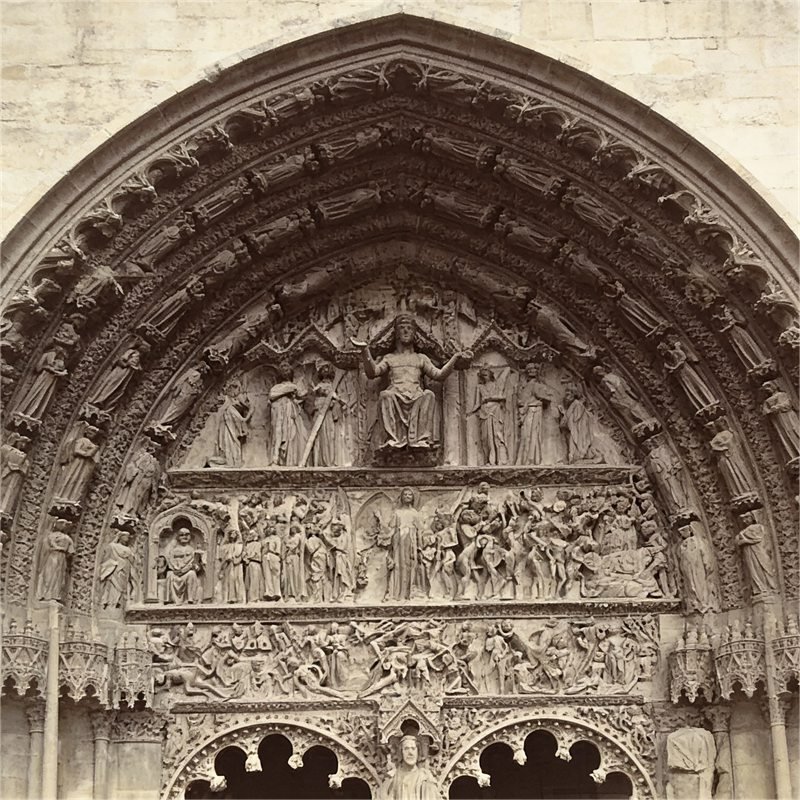
In medieval Europe, relief sculptures of The Last Judgment on church facades are powerful examples of how sculpture was used to instruct, warn, and inspire believers. These works were not only decorative; they helped communicate religious teachings to the public.
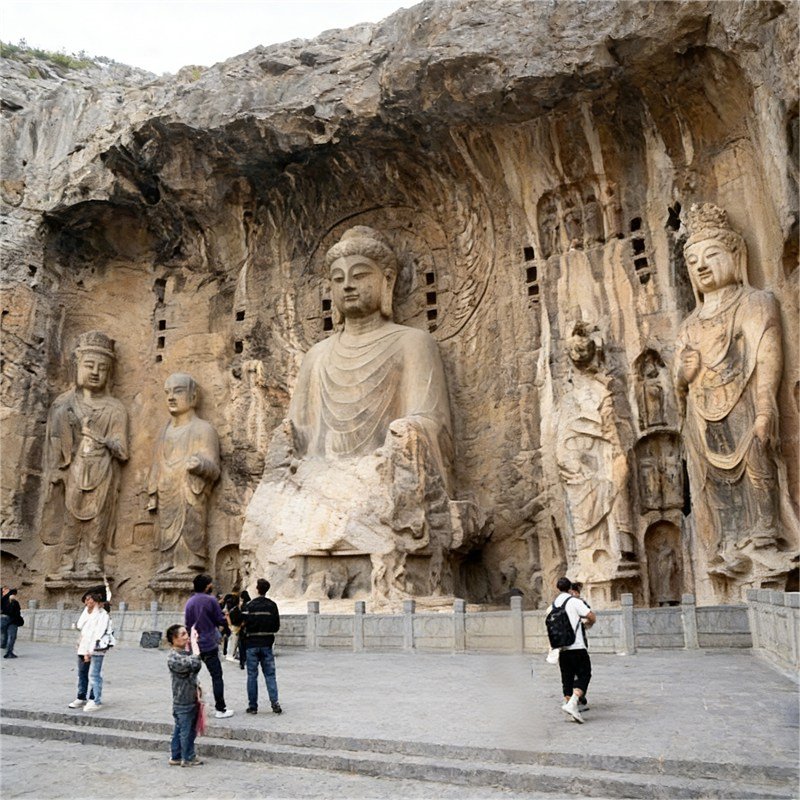
In China, the Vairocana Buddha at the Longmen Grottoes offers another profound example. Through monumental scale, serenity, and spiritual presence, the sculpture transforms Buddhist belief into a deeply moving visual experience. Across regions, the sculpture of this period focused on divine figures, sacred narratives, the afterlife, salvation, and the relationship between earthly authority and spiritual order.
Early Modern Period
Circa 1400 CE – 1800 CE
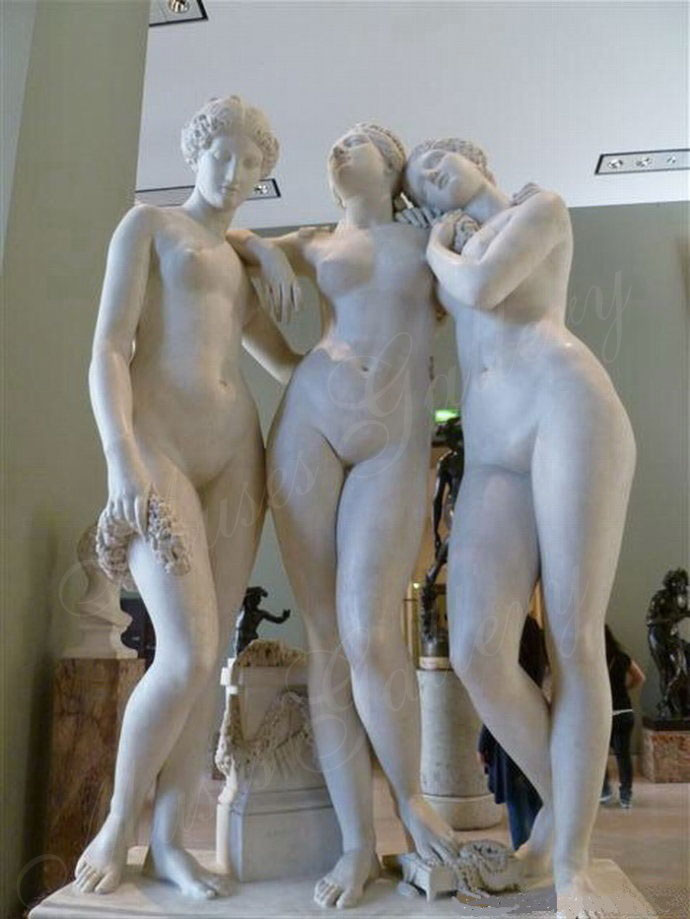
The Early Modern period brought major developments in both technique and artistic expression. In Europe, the Renaissance and Baroque periods renewed attention to anatomy, movement, space, and emotional drama. Sculpture became more dynamic, more naturalistic, and more expressive.
Michelangelo’s David remains one of the clearest examples of this change. It shows extraordinary mastery of the human body, but it also reflects the dignity, courage, and human-centered spirit of the Renaissance. Bernini’s Ecstasy of Saint Teresa, by contrast, reveals the dramatic intensity of the Baroque, combining spirituality, emotion, and theatrical movement in a way that transformed sculpture into a vivid spatial experience.
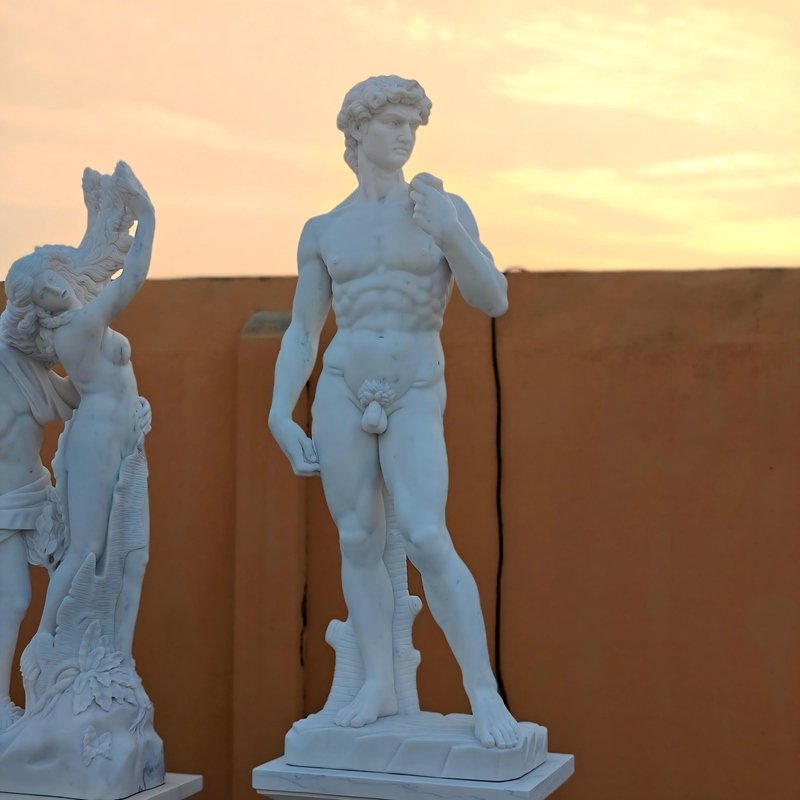
At the same time, sculpture flourished in many non-European traditions as well.
In China, the jade carvings, wooden Buddhist statues, and polychrome clay Arhat figures of the Ming and Qing dynasties demonstrated refined craftsmanship, rich symbolism, and strong decorative beauty.
During this period, sculpture often expressed religious devotion, courtly power, portraiture, cultural identity, and historical memory.
Modern and Contemporary Periods
Circa 1800 CE – Present
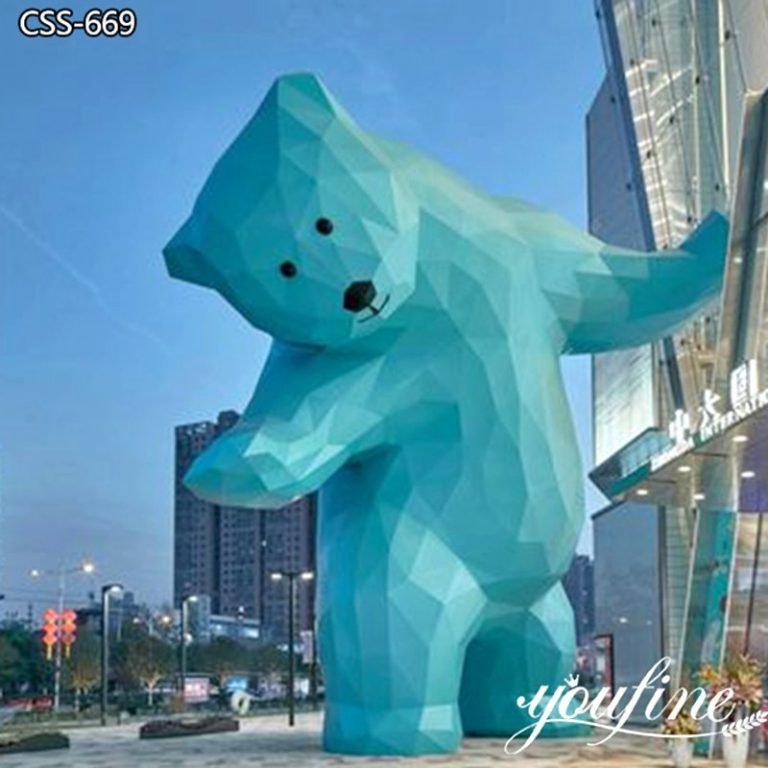
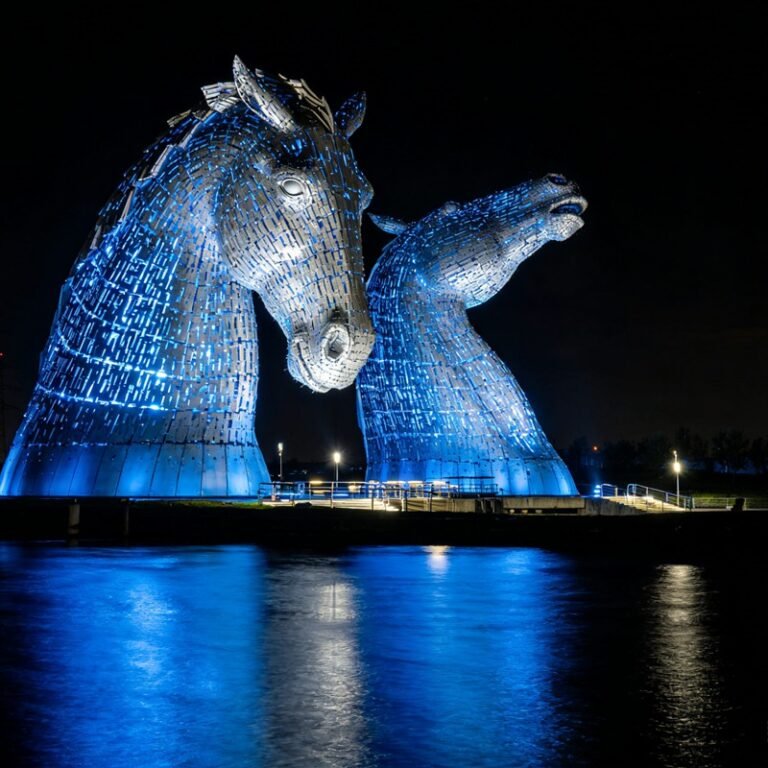
From the 19th century onward, sculpture changed dramatically. The most important shift was that artists began to challenge the traditional idea of what sculpture could be. Materials expanded beyond bronze and stone to include steel, concrete, glass, plastics, found objects, and more. Sculpture was no longer limited to statues or monuments; it also became installation, conceptual art, environmental art, and public art.
Rodin’s The Thinker still uses the human figure, but it turns attention inward, emphasizing thought, tension, and emotional depth. Brancusi’s Endless Column pushes sculpture toward abstraction, showing that form itself can carry symbolic power. In the contemporary period, works such as Louise Bourgeois’s Maman and Anish Kapoor’s Cloud Gate show that sculpture can engage with memory, psychology, urban life, public interaction, and collective experience all at once.
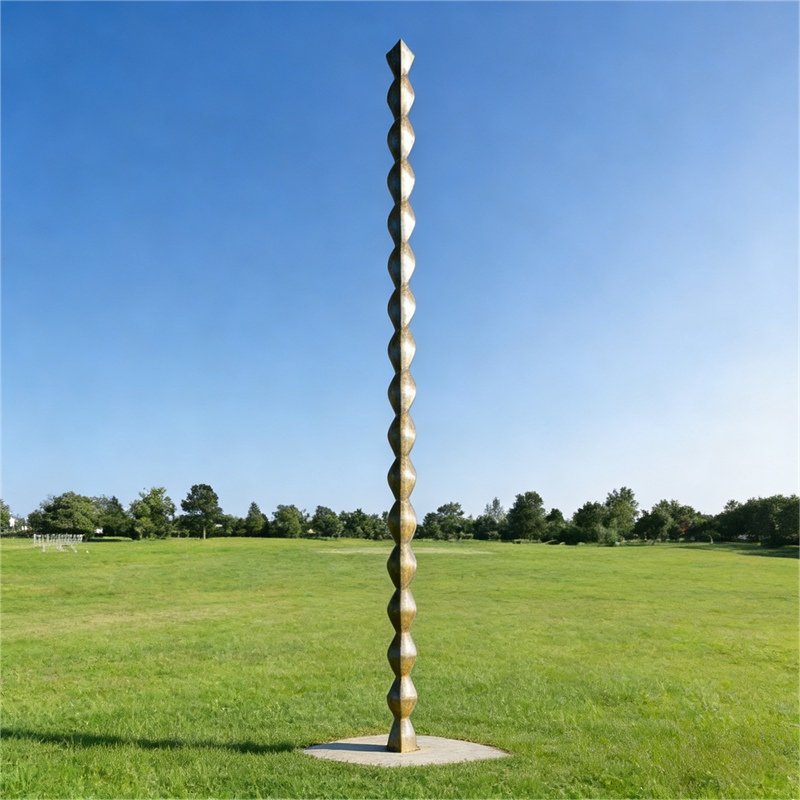
Even though sculpture has changed in style and material, its importance has not disappeared. It continues to shape the way people experience space, identity, memory, and community.
Why Sculptures and Statues Still Matter Today
The history of sculpture helps explain why it remains important today. Across time and across cultures, sculptures and statues have continued to serve several enduring human needs.
Preserving History and Cultural Memory
Sculptures and statues serve as lasting records of what societies choose to remember. They preserve stories of gods, rulers, reformers, saints, heroes, and ordinary people. They give visible form to historical events, political ideals, and cultural values.
The Lincoln Memorial is a clear example. It does more than present a likeness of Abraham Lincoln. It embodies larger ideas such as national unity, the abolition of slavery, and democratic responsibility.
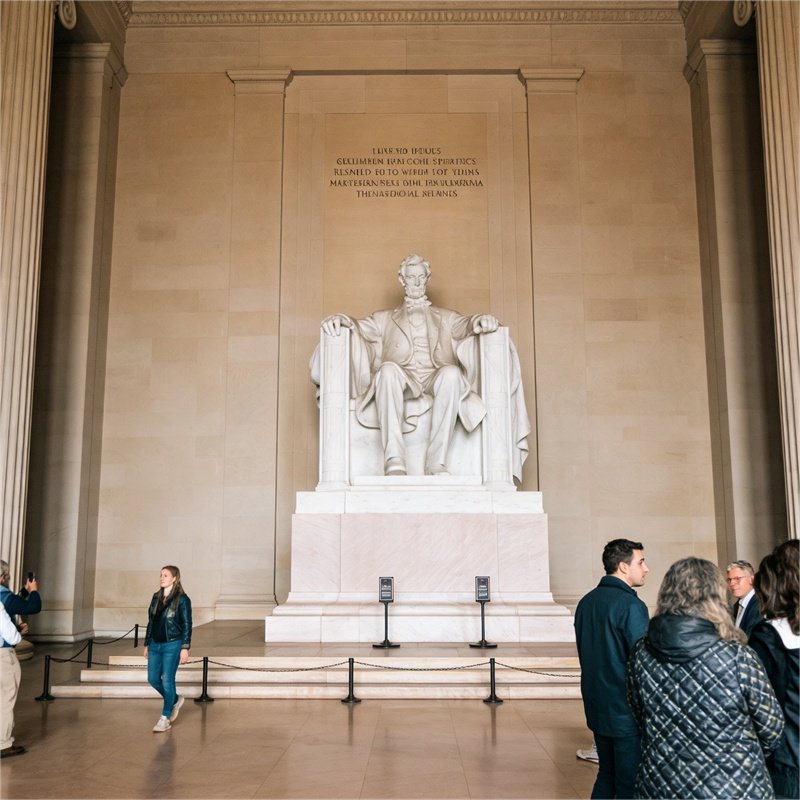
At the local level, statues may commemorate founders, veterans, first responders, teachers, coaches, community leaders, or cultural icons. In every case, they help ensure that important stories are not forgotten.
Strengthening Collective Identity and Community Pride
Public sculpture helps define who a community is. When people see monuments that reflect their shared values and achievements, they often feel a stronger sense of belonging and pride. Over time, these works become landmarks—places where people gather, celebrate, remember, and connect.
Iconic monuments such as Mount Rushmore symbolize national identity on a large scale. Local monuments serve a similar purpose on a more personal level. They tell residents and visitors alike what a place values, what it remembers, and how it sees itself.
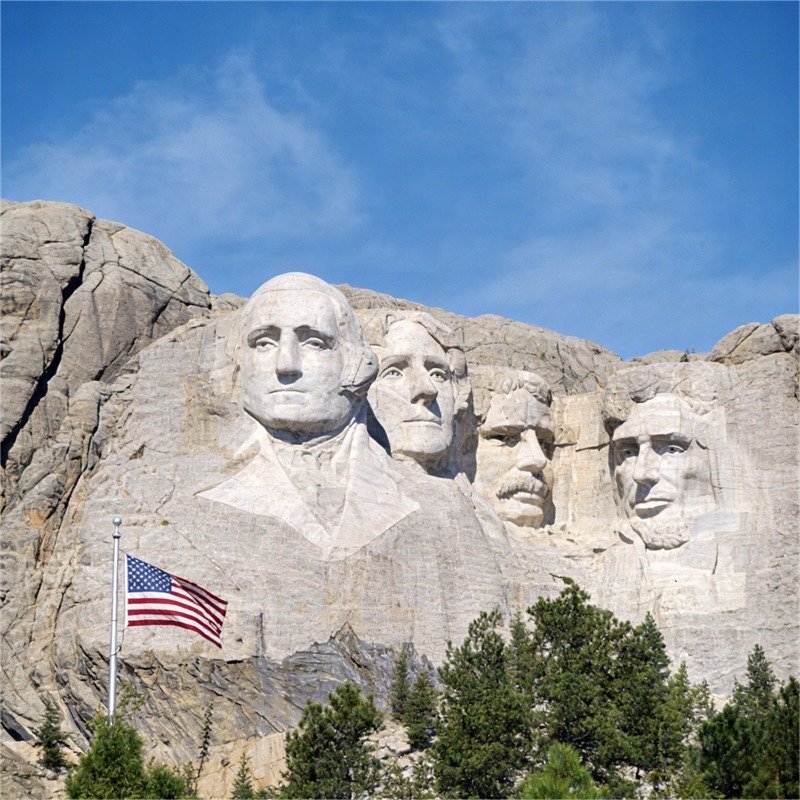
This is one reason public statues remain important in modern society. They do not simply decorate space; they shape the character and spirit of a place.
Encouraging Reflection, Learning, and Civic Engagement
Sculptures and statues are not passive objects. They invite people to ask questions. Who does this statue represent? Why was it created? What values does it reflect? What story does it preserve?
For this reason, schools, museums, walking tours, cultural festivals, and local history programs frequently use monuments as educational tools. Public sculpture encourages learning outside traditional classrooms and helps people connect history with the spaces they actually live in.
Meaningful public art can also encourage civic engagement. When a community invests in monuments, memorials, or artistic landmarks, it sends a message that public space matters. This can inspire people to take greater pride in their neighborhoods, support local initiatives, attend public events, and care for shared spaces.
Carrying Emotional and Spiritual Meaning
One reason sculpture remains powerful is that it creates a sense of presence that other forms of art often cannot. A statue stands in the same space we stand in. It can be approached from different angles. It occupies the physical world with us. That experience is different from reading words or looking at a flat image.
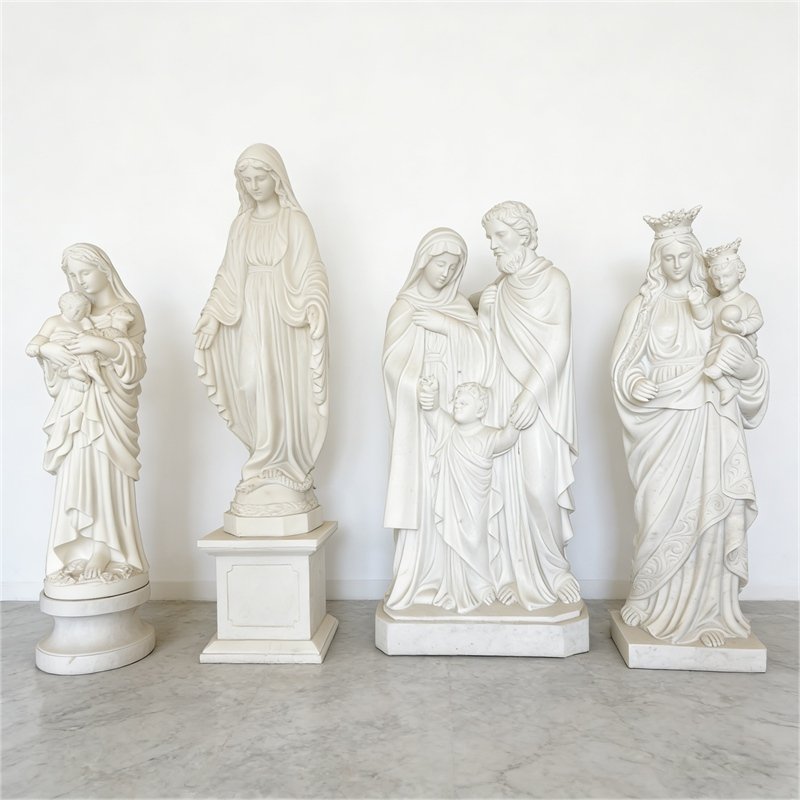
For many people, this is especially important in religious life. A sacred statue is not valued simply as marble, bronze, or stone.
What matters is the image, the meaning, and the sense of closeness it creates. Many of my clients from Catholic, Hindu, and Buddhist backgrounds have shared this feeling. They often describe sculpture as a visual and spiritual aid—something that helps deepen prayer, focus devotion, or bring sacred meaning into daily life.
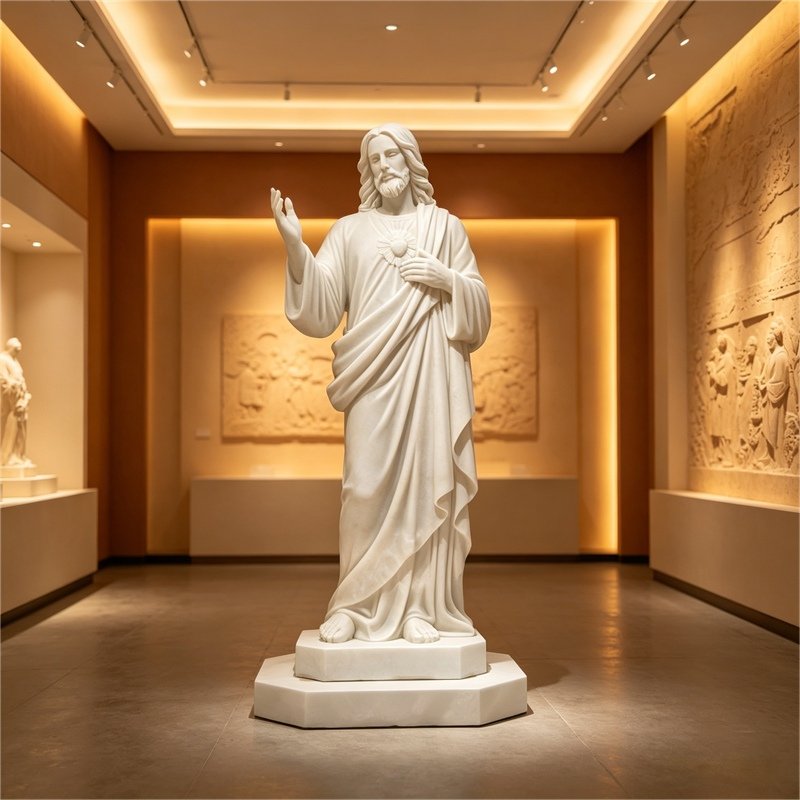
I remember one client from the United States telling me that after placing a marble statue of Jesus in his garden, the atmosphere of the whole space seemed to change. It felt more peaceful, more reflective, and more alive with meaning. Experiences like this help explain why so many people want sacred statues in homes, gardens, churches, temples, and memorial spaces.
At the same time, emotional meaning is not limited to religion. Sculpture can also express grief, remembrance, admiration, love, and loss. I once had the opportunity, together with my employer, to visit the family of the late Chinese bronze master Zhu Bingren after his passing. In his home, we saw a bronze statue made in his memory by his son. When asked who had created it, the answer was simple:
“Of course I did.”
That moment left a deep impression on me. It showed how sculpture can become one of the most personal forms of remembrance—a way to honor the dead, preserve affection, and make grief visible in lasting form.
Contributing to Public Life, Tourism, and Long-Term Cultural Value
In contemporary society, sculptures and statues are also important because they shape public space and contribute to economic and cultural life. Visually striking monuments attract visitors, photographers, researchers, and tourists. This increased attention can support local restaurants, hotels, retail stores, museums, and event spaces.
A distinctive statue can become a destination. It can help revitalize downtown areas, strengthen local branding, and create a stronger sense of place. Unlike temporary decorations or short-lived trends, well-made sculptures are often designed to last for decades or even centuries. Materials such as bronze, stone, and steel give them durability as well as timeless appeal.
Investing in public sculpture therefore shows long-term commitment—not only to beauty, but also to community memory, education, identity, and cultural heritage.
Final Thoughts
Sculptures and statues still matter because they can do something that few other art forms can: they give lasting form to memory, belief, identity, and emotion. They connect the past with the present, the individual with the community, and the visible world with deeper cultural and spiritual meaning. In modern society, their role has not disappeared; it has simply changed. Whether they stand in religious places, memorial sites, museums, or public squares, sculptures and statues are still important in the way we remember, reflect, and understand who we are.
After more than 40 years of working with sculptures and statues, I have come to believe that their value goes far beyond decoration. People turn to them to remember, honor, grieve, celebrate, and believe. That is why they still matter in today’s fast-changing world. They remain one of the most human forms of art—solid, lasting, and quietly powerful.