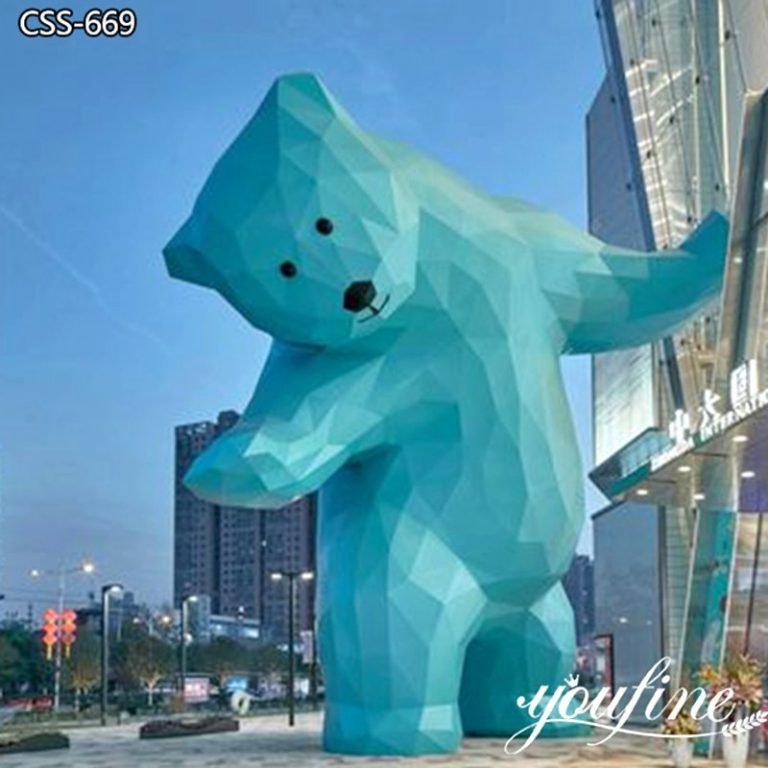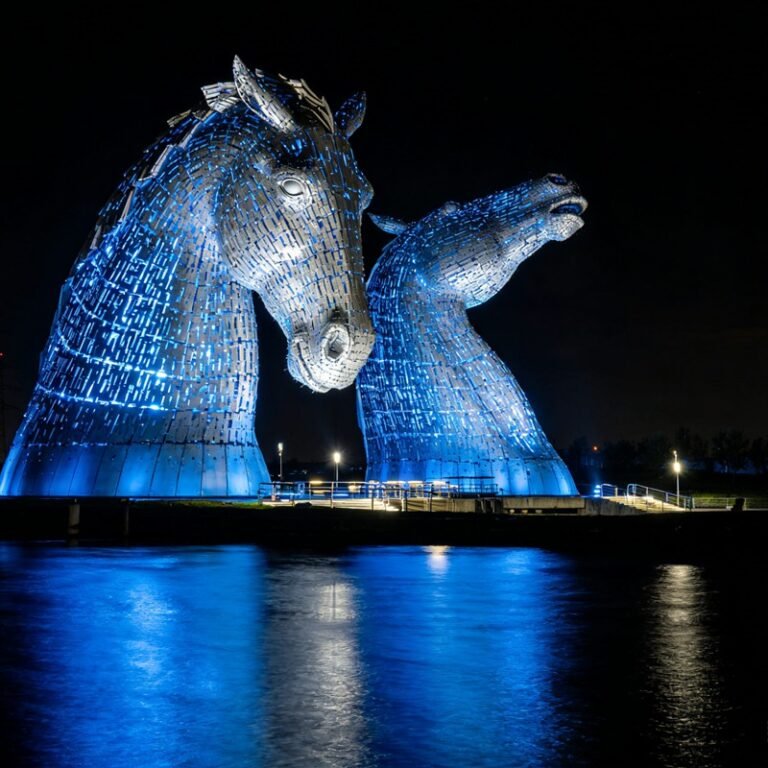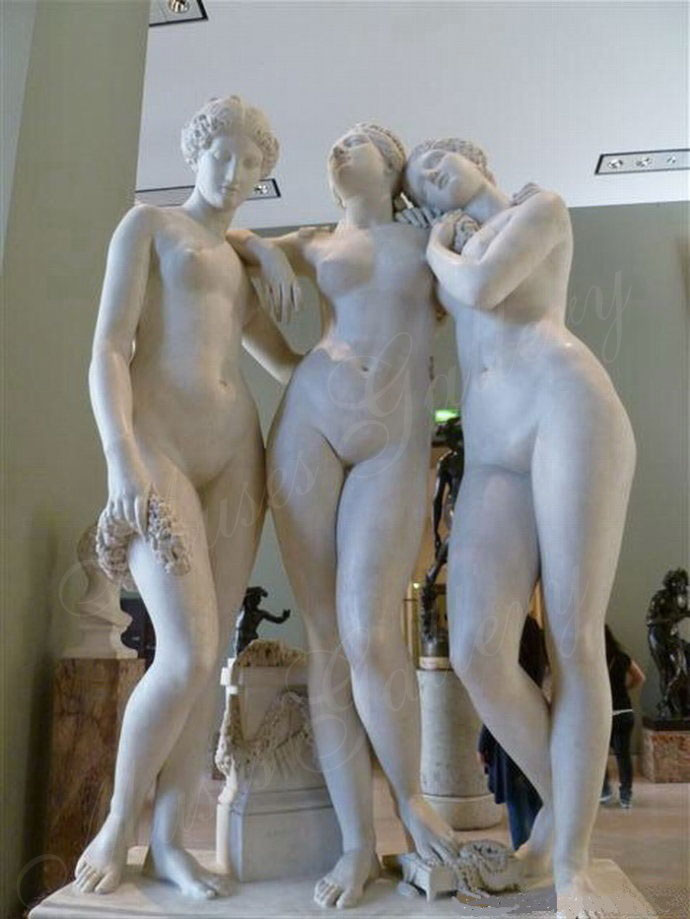
Stainless steel is one of the most widely used materials in modern sculpture. It is popular not only because it is durable, but also because it is strong, corrosion-resistant, attractive, and easy to shape into different forms. From public sculptures to abstract art pieces, stainless steel sculpture has become an important part of both indoor and outdoor art.
Today, stainless steel is still a top choice for sculpture because it offers a good mix of beauty and function. It has a clean and modern look, performs well in outdoor environments, and supports custom designs for different projects. This makes it a popular material for public art, architectural features, and large-scale sculptures.
The Beauty of Duality
One of the most powerful qualities of stainless steel sculpture is its ability to express duality of art. Great art often lives in contrast: strength and softness, stillness and movement, permanence and change. Stainless steel embodies these opposites naturally. It is solid and industrial, yet it can also appear fluid, light, and almost immaterial when polished to a mirror finish.
This makes it an ideal material for artists who want to explore emotional complexity. A stainless steel sculpture can remain physically still while constantly changing in appearance through reflections of light, weather, architecture, trees, and passing people. In that sense, the sculpture is never completely fixed. Its form stays the same, but its visual life keeps evolving.
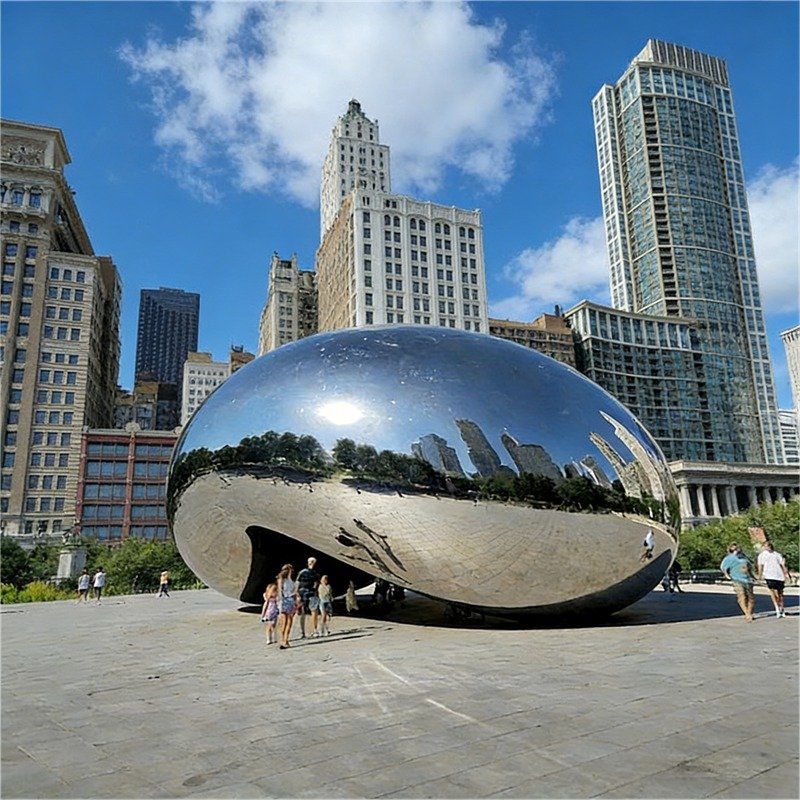
This dynamic quality helps explain the long-lasting popularity of works such as Cloud Gate in Chicago. The sculpture is not just admired as an object. It invites interaction, reflection, and repeated viewing. People do not simply look at it; they experience themselves and the surrounding city through it.
Interacts with surrounding
In a world increasingly shaped by clean lines, simplicity, and visual clarity, stainless steel offers something richer. It creates a living relationship between sculpture and space. Rather than standing apart from its surroundings, it absorbs and transforms them.
That is one reason stainless steel has become so important in public art. It allows artists to create works that feel open, contemporary, and responsive. Depending on the time of day, the weather, and the viewer’s position, the same sculpture can feel dramatic, calm, monumental, or intimate.

This interaction is especially valuable in urban design. A successful public sculpture does more than fill a plaza or decorate a park. It creates memory, identity, and conversation. Stainless steel is uniquely suited to this role because of the way it catches the eye while also reflecting the life around it.
Tell Stories
Another reason stainless steel remains so compelling is that it supports storytelling in a distinctly modern way. Traditional materials such as stone and bronze carry historical weight and beauty, but stainless steel introduces a different visual language. It feels contemporary, clean, and forward-looking. That makes it ideal for works that explore movement, transformation, and emotional tension.
A striking example is Ali and Nino, the famous moving sculpture in Batumi. The work tells a love story not only through form, but through motion. As the two figures move toward each other, merge, and separate again, the sculpture expresses intimacy, longing, and loss with unusual clarity. This kind of narrative experience is one of the reasons stainless steel has become such an important material in contemporary sculpture.
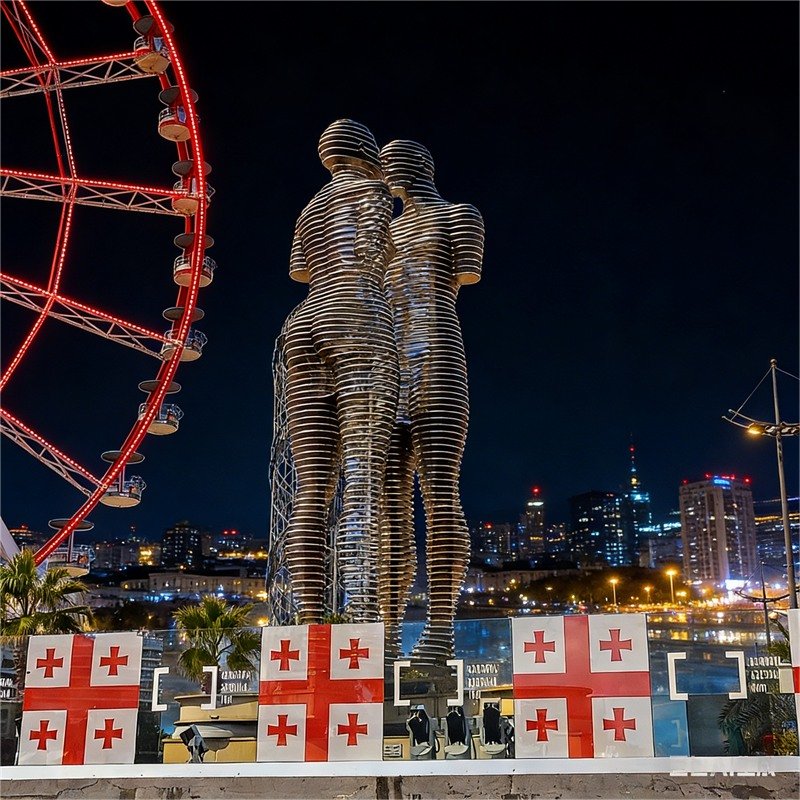
It allows sculpture to do more than represent a figure or an idea. It allows the work to unfold in time.
Ambiguity of Meaning
Successful art rarely gives one fixed answer. Instead, it creates space for interpretation, memory, and emotion. Stainless steel is especially effective here because it often works through simple forms and complex meaning.
A polished sphere, for example, can suggest unity, infinity, wholeness, or cosmic balance. To one viewer, it may feel philosophical. To another, it may simply feel calming and beautiful. Neither response is wrong. That openness is part of the power of the work.
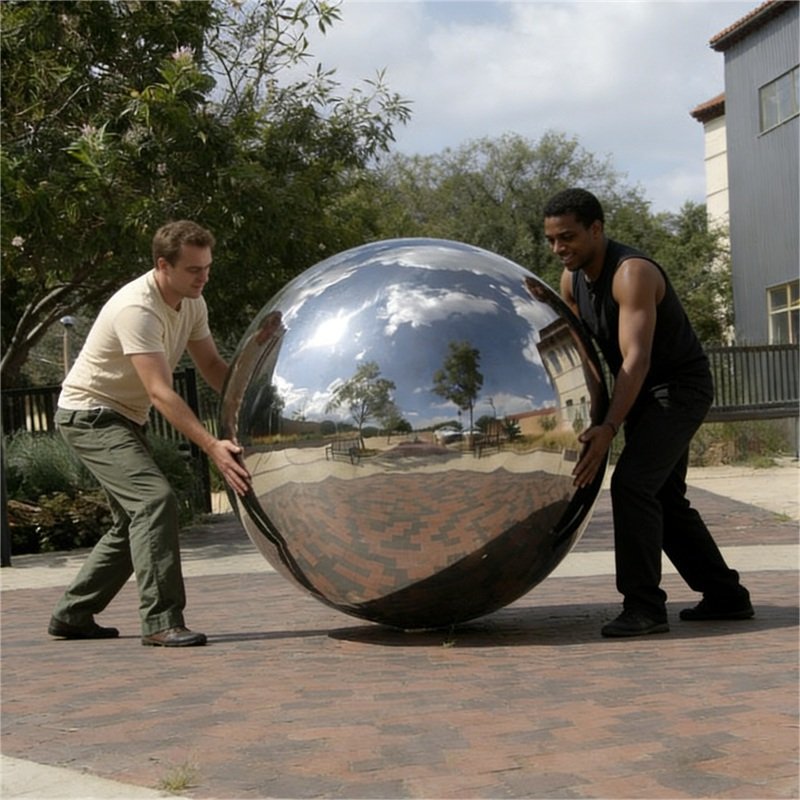
This ambiguity gives stainless steel sculpture a lasting aftertaste. The piece does not end when the you walks away. It continues in thought. Many contemporary artists use geometric forms, reflective surfaces, and minimal lines precisely because these elements allow meaning to remain open rather than closed.
That is also why reflective works often feel more emotionally resonant than they first appear. They seem simple, but they are never static. The passengers, the weather, and the surrounding environment keep adding new layers to the work.
Durability and Corrosion Resistance
Beyond its artistic qualities, stainless steel is also one of the most practical materials for sculpture, especially in outdoor environments. Large outdoor sculptures must withstand rain, snow, heat, cold, dust, strong sunlight, and heavy wind over many years. In exposed environments, corrosion resistance is not just a technical advantage; it is essential.
Stainless steel performs extremely well under these conditions, especially when compared with materials that require frequent coatings or repainting to prevent rust. This makes it a highly reliable choice for outdoor stainless steel sculpture in public spaces, commercial landscapes, and architectural projects.
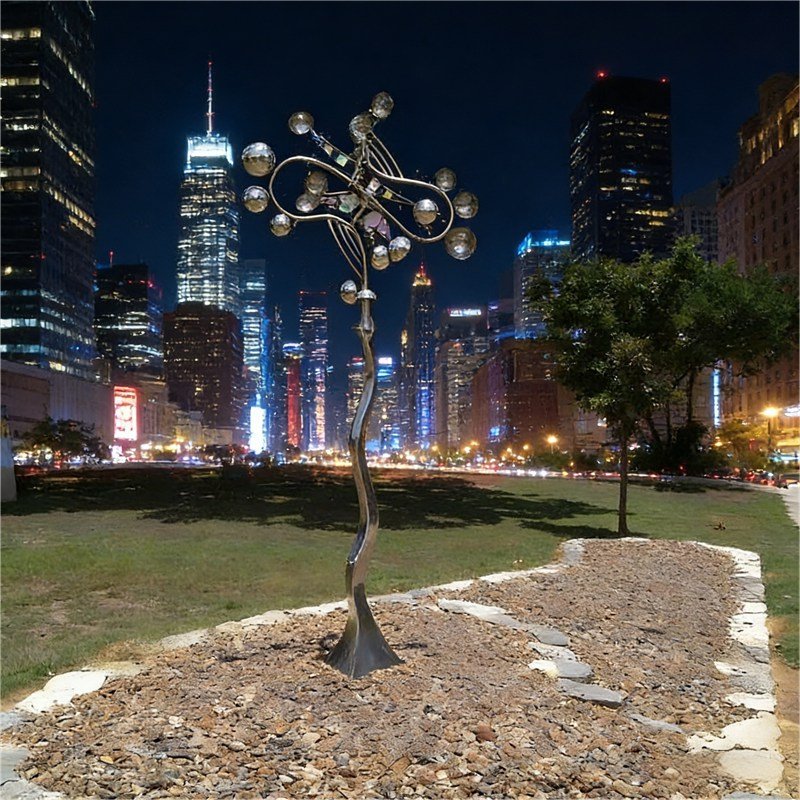
For projects located in harsh climates, this matters even more. In high-desert conditions, for example, sculptures may face extreme heat in summer, freezing temperatures in winter, alkaline dust, strong UV exposure, monsoon rain, and occasional snow. A material used in this kind of setting must be able to maintain both its appearance and its structural reliability over time.
This is where stainless steel has a clear advantage. It offers excellent long-term corrosion resistance, strong structural performance, and the bright silver appearance that many clients and artists specifically want for modern sculpture.
Strength and Flexibility
Stainless steel is also highly valued because it gives fabricators and artists real design freedom. It can be cut, welded, shaped, polished, and finished in different ways depending on the project. It works well in abstract sculpture, geometric forms, organic curves, and large architectural installations.
This balance between strength and flexibility is one of its greatest advantages. It allows artists to create works that are visually refined without sacrificing structural integrity. For large-scale stainless steel sculpture, especially pieces exposed to wind and weather, this combination is critical.
When compared with aluminum, stainless steel is often the better choice for large structural sculpture when longevity, rigidity, corrosion resistance, and surface prestige are the top priorities. Aluminum can still be useful in certain applications, but for bright silver outdoor landmarks that need to remain strong and low-maintenance over decades, stainless steel is often the more dependable long-term option.
This is one reason many developers, designers, and public art planners prefer stainless steel sculpture fabrication for projects that require both visual impact and long service life.
Long-Term Value and Sustainability
Although stainless steel may have a higher initial cost than some other materials, it often provides better value over the full life of a sculpture. This is because it reduces the need for repainting, intensive maintenance, corrosion repair, and premature replacement.
For public art, commercial landscapes, hospitality spaces, and civic installations, this long-term value is especially important. Clients want sculptures that remain visually impressive without becoming costly maintenance burdens.
There is also an environmental advantage. Stainless steel is recyclable, durable, and compatible with long-life design strategies. As more artists, architects, and developers pay attention to sustainability, materials that reduce waste and lower the risk of environmental pollution become increasingly attractive.
In this sense, stainless steel is not only a durable material but also a responsible one. It supports projects that aim to balance aesthetic quality, practical performance, and environmental awareness.
FAQ
Which grade of stainless steel is best for sculpture?
Common grades for sculpture include 304 and 316 stainless steel. Grade 304 is widely used for indoor and general outdoor projects, while grade 316 offers better corrosion resistance and is more suitable for coastal or harsh environments.
How long can an outdoor stainless steel sculpture last?
With proper material selection, fabrication, and maintenance, an outdoor stainless steel sculpture can last 50 to 100 years or even longer.
Can stainless steel sculptures be made in large sizes?
Yes, stainless steel is suitable for large-scale sculpture projects.
Can stainless steel sculptures be customized with lighting?
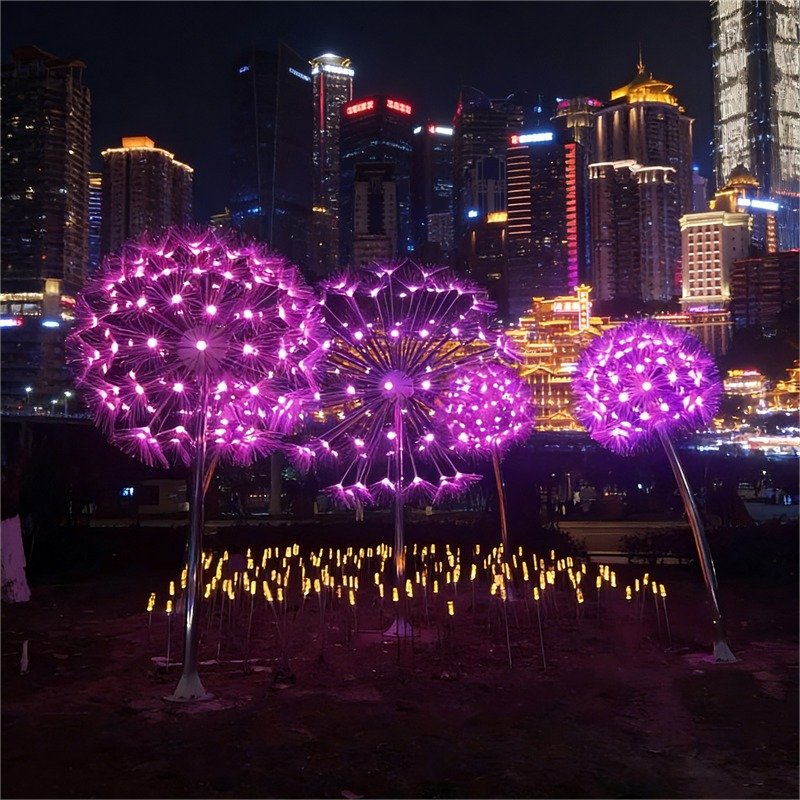
Yes, lighting can be added to create special visual effects.
What is the best finish for outdoor stainless steel sculpture?
It depends on the design and environment. Mirror, brushed, and matte finishes are common options.
Final Thought
The enduring allure of stainless steel sculpture comes from a rare balance of qualities. It is visually striking yet technically dependable. It can express ambiguity, duality, movement, and emotion while also performing well under demanding real-world conditions. Few materials move so easily between art, engineering, and public experience.
That is why stainless steel sculptures continue to define contemporary spaces. They do not simply occupy a site. They activate it, reflect it, and become part of how people remember it.
For designers, developers, and public art planners, stainless steel offers a powerful combination of artistic expression and long-term performance. Whether used in a mirror polished landmark piece, a custom public art installation, or a large outdoor sculpture, it remains one of the most reliable and visually compelling materials in modern sculpture.